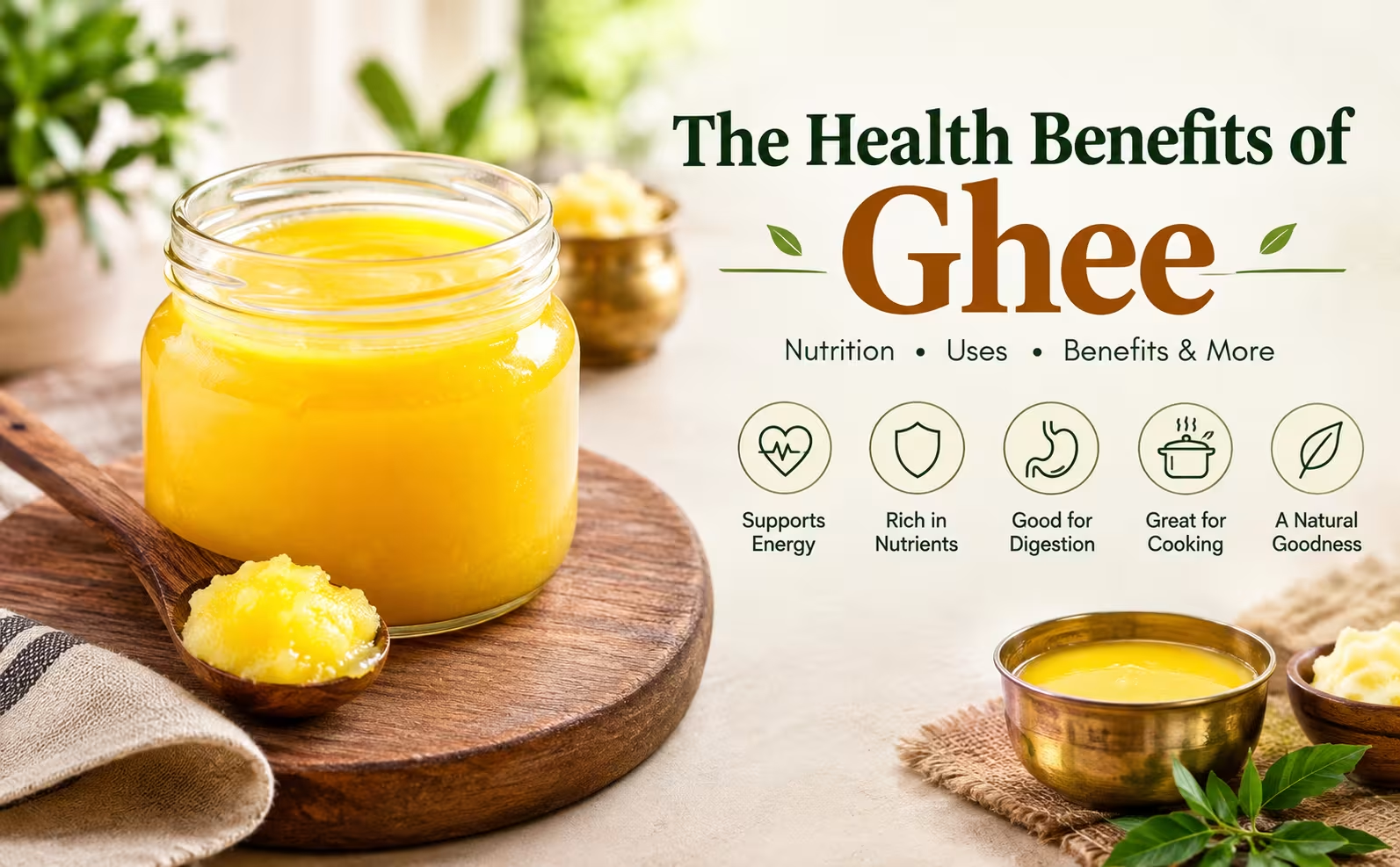
Ghee has been a part of Indian cuisine and traditional cooking for centuries. Made by slowly heating butter and removing its water and milk solids, ghee is a rich, aromatic cooking fat with a smooth texture and distinctive nutty flavor.
Today, ghee is popular not only for its taste but also because it contains fat-soluble vitamins and other nutrients. It can be used for cooking, baking, sautéing, spreading, and adding flavor to a variety of dishes.
In this article, we explore the health benefits of ghee, its nutritional properties, how to use it, and what to consider when adding ghee to a balanced diet.
What Is Ghee?
Ghee is a type of clarified butter. During preparation, butter is heated until its water evaporates and the milk solids separate from the butterfat. The milk solids are then removed, leaving behind a golden-colored, concentrated fat.
Because most of the water and milk solids are removed, ghee has a longer shelf life than ordinary butter and has a higher smoke point, making it suitable for many cooking methods.
Ghee is traditionally used in Indian, South Asian, and Middle Eastern cuisines and is commonly added to foods such as dal, rice, roti, vegetables, sweets, and curries.
Nutritional Profile of Ghee
Ghee is primarily composed of fat, so it is naturally calorie-dense. It also contains small amounts of fat-soluble vitamins, depending on the quality and preparation of the product.
A typical serving of ghee provides:
Dietary fat
Saturated fat
Small amounts of fat-soluble vitamins
Calories that can contribute to daily energy intake
Because ghee is high in fat and calories, portion size is important. It is best enjoyed as part of an overall balanced diet rather than consumed in excessive amounts.
10 Potential Health Benefits of Ghee
1. Provides a Source of Energy
Dietary fat is an important source of energy for the body. Since ghee is concentrated in fat, a small amount can add calories and energy to meals.
Adding a moderate amount of ghee to foods such as rice, vegetables, dal, or roti can also increase the overall calorie density of a meal.
2. Contains Fat-Soluble Vitamins
Ghee can contain fat-soluble vitamins such as vitamins A, E, and K, although the exact amount can vary depending on factors such as the butter used and processing method.
These vitamins play important roles in normal body functions, including vision, immune function, antioxidant protection, and blood clotting.
3. May Support the Absorption of Fat-Soluble Nutrients
Some nutrients found in foods are fat-soluble, meaning dietary fat helps the body absorb them.
Using a moderate amount of ghee when preparing vegetables and other nutrient-rich foods can add dietary fat to the meal, which may support the absorption of fat-soluble compounds.
4. Suitable for High-Heat Cooking
One of the practical advantages of ghee is its relatively high smoke point compared with butter.
This makes ghee useful for cooking methods such as:
Sautéing
Roasting
Stir-frying
Tempering spices
Pan-frying
Its rich flavor can also enhance simple foods without requiring large quantities.
5. May Be Easier to Digest for Some People
Because ghee preparation removes most of the milk solids, it contains considerably less lactose and milk proteins than regular butter.
Some people who have difficulty with lactose may find ghee more suitable than butter. However, ghee is still a dairy-derived product, and people with milk allergies should not assume that it is automatically safe.
6. Contains Butyrate
Ghee contains small amounts of butyrate, a short-chain fatty acid that is also produced naturally by beneficial bacteria in the large intestine.
Butyrate has been studied for its role in maintaining intestinal health and supporting normal functions of the colon. However, the amount obtained from normal dietary servings of ghee should not be considered a treatment for digestive conditions.
7. Adds Flavor to Healthy Foods
Healthy eating does not have to mean eating bland food. Ghee has a naturally rich, buttery and slightly nutty flavor that can make nutritious meals more enjoyable.
A small amount can be added to:
Dal
Khichdi
Vegetables
Roti
Rice
Soups
Whole grains
Using flavorful ingredients can make it easier to enjoy a varied and balanced diet.
8. Can Be Used in a Variety of Recipes
Ghee is a versatile cooking ingredient. It can be used in traditional Indian recipes as well as modern dishes.
You can use ghee for cooking eggs, roasting vegetables, preparing curries, making desserts, baking, or simply drizzling a small amount over cooked food.
9. Naturally Free of Trans Fat When Properly Made
Pure ghee does not naturally contain industrial trans fats. However, the nutritional quality of a commercial product depends on its ingredients and manufacturing process.
When buying ghee, check the ingredient list and choose products that contain pure ghee without unnecessary additives.
10. May Help Increase Meal Satisfaction
Dietary fat can contribute to the taste and texture of food and may help make meals feel more satisfying.
However, ghee is calorie-dense, so adding large quantities can quickly increase calorie intake. Moderation is therefore important, particularly for people managing their weight or total calorie consumption.
Ghee vs Butter: What’s the Difference?
Both ghee and butter are dairy-based fats, but they are prepared differently.
Feature
Ghee
Butter
Preparation
Clarified butter
Churned cream
Water content
Very low
Contains water
Milk solids
Mostly removed
Present
Flavor
Rich and nutty
Creamy and milky
Cooking use
Suitable for high-heat cooking
Better suited to moderate-heat cooking
Lactose
Very low amounts
Contains lactose
The better choice depends on your dietary preferences, cooking method, nutritional needs, and portion size.
How to Include Ghee in Your Daily Diet
Ghee can be incorporated into meals in simple ways. Here are some ideas:
Add Ghee to Dal
A small spoonful of ghee over dal can add richness and flavor.
Use Ghee for Vegetable Cooking
Use a moderate amount of ghee when sautéing or roasting vegetables.
Add Ghee to Rice
A small amount of ghee can enhance the flavor of plain rice, pulao, or khichdi.
Spread Ghee on Roti
Ghee can be lightly spread over freshly cooked roti or paratha.
Use Ghee in Traditional Recipes
Ghee is commonly used in Indian dishes such as halwa, laddoos, biryani, and various festive foods.
How Much Ghee Should You Eat?
There is no single amount of ghee that is appropriate for everyone. Your ideal intake depends on your overall diet, calorie requirements, activity level, health goals, and other sources of dietary fat.
Since ghee is high in calories and saturated fat, moderation is important.
Instead of adding large quantities of ghee to every meal, use a small amount to provide flavor and complement an otherwise nutrient-rich diet.
Is Ghee Good for Weight Loss?
Ghee is sometimes promoted as a weight-loss food, but this claim needs context.
Ghee is calorie-dense, and eating more calories than your body uses over time can contribute to weight gain. Simply adding ghee to your diet is therefore not a reliable weight-loss strategy.
If you’re trying to manage your weight, focus on your overall dietary pattern, portion sizes, protein and fiber intake, physical activity, sleep, and total calorie intake.
Ghee can still be included in a balanced weight-management diet when consumed in appropriate portions.
Is Ghee Good for Cholesterol?
Ghee contains a significant amount of saturated fat. Consuming high amounts of saturated fat can raise LDL cholesterol in some people.
For this reason, people concerned about cholesterol or cardiovascular health should pay attention to their total saturated-fat intake and discuss dietary choices with a qualified healthcare professional when appropriate.
Ghee can be part of a balanced diet, but it should not be viewed as a cholesterol-lowering food.
Who Should Be Careful With Ghee?
Although ghee can fit into many diets, moderation is particularly important for people who:
Need to limit saturated fat
Are managing their calorie intake
Have been advised to reduce dietary fat
Have certain cardiovascular risk factors
Have a dairy allergy
If you have a medical condition or have been given specific dietary restrictions, follow the advice of your doctor or registered dietitian.
How to Choose Good Quality Ghee
When purchasing ghee, consider the following factors:
Check the Ingredients
Look for products that clearly list ghee or clarified butter as the main ingredient.
Look for Proper Packaging
Choose ghee packaged in clean, food-grade containers with appropriate labeling.
Check the Manufacturing and Expiry Dates
Always check the packaging for manufacturing details, expiry or best-before information, and storage instructions.
Consider the Aroma and Appearance
Good-quality ghee generally has a pleasant buttery aroma and a golden-yellow appearance. Color can vary naturally depending on the milk and production process, so appearance alone should not be the only measure of quality.
Frequently Asked Questions About Ghee
Is ghee healthy?
Ghee can be part of a healthy, balanced diet when consumed in moderation. It provides dietary fat and can contain small amounts of fat-soluble vitamins, but it is also high in calories and saturated fat.
Can I eat ghee every day?
Ghee can be consumed regularly in moderate quantities if it fits your overall dietary needs. The appropriate amount depends on your total calorie and fat intake.
Is ghee better than butter?
Ghee and butter have different nutritional and culinary properties. Ghee contains very little water and most milk solids are removed, while butter contains both water and milk solids. Neither needs to be considered universally better; the appropriate choice depends on individual dietary needs and cooking preferences.
Is ghee suitable for cooking?
Yes. Ghee is commonly used for sautéing, roasting, frying, tempering spices, and other cooking methods because it tolerates relatively high cooking temperatures.
Does ghee contain lactose?
Ghee contains very little lactose because most milk solids are removed during clarification. However, it is still derived from milk, so people with a milk allergy should exercise caution.
Can ghee help with digestion?
Ghee contains small amounts of butyrate, a short-chain fatty acid associated with intestinal health. However, there is not enough evidence to consider ordinary dietary amounts of ghee a treatment for digestive problems.
Final Thoughts
Ghee is a traditional cooking fat with a rich flavor and versatile culinary uses. It provides dietary fat, can contain small amounts of fat-soluble vitamins, and works well for a variety of cooking methods.
At the same time, ghee is calorie-dense and relatively high in saturated fat. Therefore, the potential benefits of ghee are best considered within the context of your overall eating pattern rather than treating it as a miracle food.
For most people, the key is quality, portion control, and balance. Used thoughtfully, ghee can be a flavorful addition to a varied and nutritious diet.
Disclaimer: This article is intended for general educational purposes and should not be considered medical advice. If you have a medical condition, food allergy, high cholesterol, or specific dietary requirements, consult a qualified healthcare professional before making significant dietary changes.