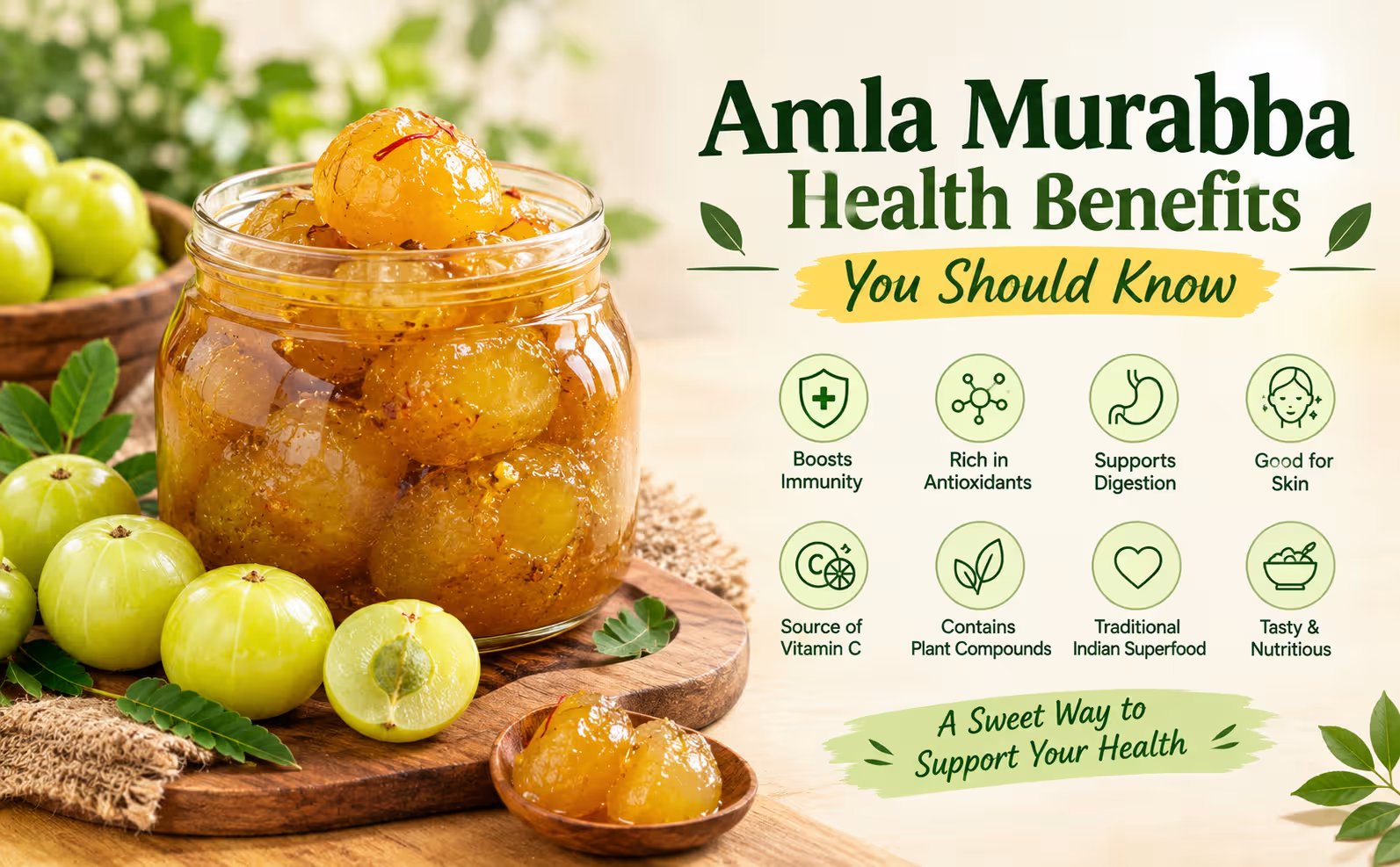
Amla murabba is a traditional Indian preparation made from Indian gooseberry (amla) preserved in a sweet syrup. Amla, scientifically known as Phyllanthus emblica, has been valued in Indian food traditions for generations because of its naturally tangy flavor and nutrient content.
Today, amla murabba is enjoyed as a traditional sweet preserve as well as a convenient way to include amla in the diet. Amla naturally contains vitamin C and other plant compounds, although the nutritional profile of a prepared murabba depends on the recipe, cooking method, and amount of sugar used.
In this article, we explore the potential health benefits of amla murabba, its nutritional properties, how to consume it, and important considerations when choosing or preparing it.
What Is Amla Murabba?
Amla murabba is made by cooking whole or sliced amla fruits in a sweet syrup. Depending on the recipe, ingredients such as cardamom, saffron, cinnamon, or other spices may also be added.
Fresh amla is naturally tart and acidic. Preparing it as murabba gives the fruit a sweeter taste and makes it easier to enjoy as part of a meal or snack.
However, traditional preparation often involves a significant amount of sugar. Therefore, amla murabba should be considered a sweet preserve, rather than an unlimited source of fresh-fruit nutrition.
Nutritional Value of Amla
Amla is known for its vitamin C content and also provides various plant compounds, including polyphenols and other antioxidants.
The nutritional value of amla murabba can vary considerably depending on:
Amount of amla used
Sugar or sweetener used
Cooking temperature and duration
Additional ingredients
Serving size
Because murabba is usually prepared with sugar, its sugar and calorie content can be substantially higher than that of fresh amla.
Amla Murabba Health Benefits
1. Provides Vitamin C From Amla
Amla is naturally rich in vitamin C, an essential nutrient involved in normal immune function, collagen formation, wound healing, and antioxidant protection.
However, vitamin C can be affected by heat and food processing. Therefore, the amount remaining in a cooked amla murabba may differ from the amount found in fresh amla.
2. Contains Antioxidant Compounds
Amla contains naturally occurring plant compounds with antioxidant properties.
Antioxidants help protect cells from oxidative stress caused by reactive molecules produced during normal metabolism and in response to environmental factors.
Including a variety of fruits and vegetables in the diet is a practical way to obtain a broad range of antioxidant compounds.
3. Supports Normal Immune Function
The vitamin C naturally present in amla contributes to normal immune-system function.
However, eating amla murabba should not be viewed as a treatment or cure for infections. A balanced diet containing fruits, vegetables, adequate protein, and other essential nutrients is important for maintaining normal immune health.
4. May Support Digestive Health
Amla has traditionally been used in Indian food and wellness practices as a digestive ingredient.
Amla contains dietary compounds and organic acids, while whole fruit also provides fiber. However, the amount of fiber in a serving of murabba depends on how it is prepared and consumed.
For overall digestive health, a diet rich in fiber, adequate fluids, fruits, vegetables, and whole grains remains important.
5. Provides Plant Polyphenols
Amla contains polyphenols and other naturally occurring phytochemicals.
These compounds are being studied for their antioxidant and other biological activities. Including different plant foods in your diet can help increase the variety of beneficial plant compounds you consume.
6. Can Be a Convenient Way to Enjoy Amla
Some people may find fresh amla too sour or astringent. Murabba transforms the fruit into a sweeter, more palatable preparation.
This can make it easier to include amla occasionally as part of meals or snacks.
7. May Support Skin Health Through Vitamin C
Vitamin C is required for normal collagen production, which helps maintain the structure of skin and other connective tissues.
Amla can contribute vitamin C to the diet, although the amount in prepared murabba depends on processing and serving size.
Healthy skin also depends on overall nutrition, hydration, sun protection, sleep, and other lifestyle factors.
8. Supports a Nutrient-Rich Diet When Consumed in Moderation
Amla murabba can be included in a varied diet as a traditional fruit preparation.
Pairing a small serving with nutritious foods such as plain yogurt, nuts, seeds, or a balanced breakfast can provide a combination of nutrients.
Because murabba is generally sweetened, portion control is important.
9. Traditional Source of Amla in Indian Cuisine
Amla has a long history in Indian culinary and traditional wellness practices.
Amla preparations such as murabba, chutney, pickle, juice, and dried amla are consumed in different parts of India.
Its traditional use adds cultural and culinary value, while modern nutrition research continues to investigate the properties of amla and its plant compounds.
10. Offers a Distinctive Combination of Sweet and Tangy Flavor
One of the biggest practical benefits of amla murabba is its taste.
The combination of naturally tangy amla and sweet syrup makes it a versatile traditional preserve that can be enjoyed in small quantities after meals or as part of a snack.
Amla Murabba vs Fresh Amla
Fresh amla and amla murabba are not nutritionally identical.
Feature
Fresh Amla
Amla Murabba
Taste
Sour and astringent
Sweet and tangy
Added sugar
Usually none
Usually present
Vitamin C
Naturally rich
May decrease during processing
Calories
Relatively low
Usually higher
Fiber
Naturally present
Depends on preparation
Processing
Minimal
Cooked and preserved
Best use
Fresh fruit, juice, recipes
Traditional sweet preserve
If your primary goal is to maximize fruit intake while minimizing added sugar, fresh amla may be more suitable. If you enjoy traditional preserves, a small serving of amla murabba can be included in a balanced diet.
How to Eat Amla Murabba
Amla murabba can be enjoyed in several simple ways.
Eat It Directly
Take a small piece of amla murabba as a traditional sweet snack or after a meal.
Add It to Breakfast
A small serving can be paired with yogurt, oats, or other breakfast foods.
Pair It With Nuts
Combining a small amount of murabba with nuts such as almonds or walnuts can provide a more balanced snack containing healthy fats and protein.
Use It as a Traditional Dessert
Amla murabba can be served as a small sweet course after lunch or dinner.
How Much Amla Murabba Should You Eat?
There is no universal serving size suitable for everyone. The appropriate amount depends on your overall diet, calorie requirements, health goals, and the sugar content of the particular product.
Since many commercially prepared amla murabba products contain added sugar, moderation is important.
Always check the nutrition label when buying packaged murabba, especially if you are monitoring your sugar or calorie intake.
Is Amla Murabba Good for Weight Loss?
Amla itself can be part of a nutrient-rich diet, but traditional amla murabba is generally sweetened with sugar.
Therefore, amla murabba should not be considered a dedicated weight-loss food.
If you are trying to manage your weight, focus on your overall calorie intake, portion sizes, protein and fiber intake, physical activity, sleep, and overall dietary pattern.
A small serving of murabba can fit into a balanced diet, but consuming large quantities may add significant amounts of sugar and calories.
Is Amla Murabba Good for Diabetes?
People with diabetes or those monitoring blood glucose should pay particular attention to the sugar content of amla murabba.
Although amla itself is a nutritious fruit, traditional murabba recipes often contain added sugar. This can affect the carbohydrate content of the final product.
If you have diabetes, choose products with appropriate nutrition information and follow the dietary recommendations provided by your doctor or registered dietitian.
Does Amla Murabba Have Vitamin C?
Amla is naturally rich in vitamin C. However, the amount of vitamin C remaining in amla murabba depends on factors such as cooking time, temperature, storage, and processing.
Therefore, it is not appropriate to assume that amla murabba contains the same vitamin C concentration as fresh amla.
How to Choose Good-Quality Amla Murabba
When purchasing packaged amla murabba, consider the following:
Check the Ingredient List
Look for clearly listed ingredients and check how much added sugar is included.
Check the Nutrition Label
Pay attention to serving size, total sugars, added sugars, and calories.
Check Packaging
Choose products with intact, food-grade packaging and clear labeling.
Check Dates
Look for the manufacturing date, best-before or expiry information, and recommended storage conditions.
Look for Clean Preparation
Choose products from manufacturers that provide clear ingredient and food-safety information.
Frequently Asked Questions About Amla Murabba
What are the main health benefits of amla murabba?
Amla murabba can provide nutrients and plant compounds from amla, including vitamin C and polyphenols. However, its nutritional value varies according to preparation, and traditional versions can contain significant added sugar.
Can we eat amla murabba every day?
It can be included in the diet in moderation, provided it fits your overall nutritional needs. Because many versions contain added sugar, portion size is important.
Is amla murabba good for digestion?
Amla has traditionally been associated with digestive wellness. However, evidence for specific digestive benefits from amla murabba itself is limited, and individual responses can vary.
Is amla murabba good for skin?
Amla provides vitamin C, which contributes to normal collagen production and antioxidant protection. However, eating amla murabba alone cannot guarantee specific skin benefits.
Does cooking destroy the nutrients in amla?
Some nutrients, particularly vitamin C, can be reduced by heat and prolonged cooking. The amount remaining in murabba depends on the preparation method.
Is amla murabba high in sugar?
Many traditional amla murabba recipes use sugar syrup, so the final product can be relatively high in sugar. Always check the product’s nutrition label or recipe ingredients.
Can children eat amla murabba?
Amla murabba can be served as an occasional sweet food for children who can safely eat the ingredients. Portion size should be age-appropriate, and parents should consider the product’s sugar content.
Final Thoughts
Amla murabba is a traditional Indian fruit preserve that combines the naturally tangy flavor of amla with sweetness. Amla provides vitamin C and a variety of naturally occurring plant compounds, while the preparation offers a convenient and flavorful way to enjoy the fruit.
However, amla murabba is not the same as fresh amla. Traditional recipes can contain considerable added sugar, and cooking may reduce some heat-sensitive nutrients.
The best approach is to enjoy amla murabba in moderation as part of a varied, balanced diet. If you are managing diabetes, weight, cholesterol, or another health condition, consider the product’s nutrition information and discuss dietary choices with a qualified healthcare professional.
Disclaimer: This article is for general educational purposes only and is not medical advice. It should not be used to diagnose, treat, or prevent any disease or health condition. Consult a qualified healthcare professional for personalized dietary advice.