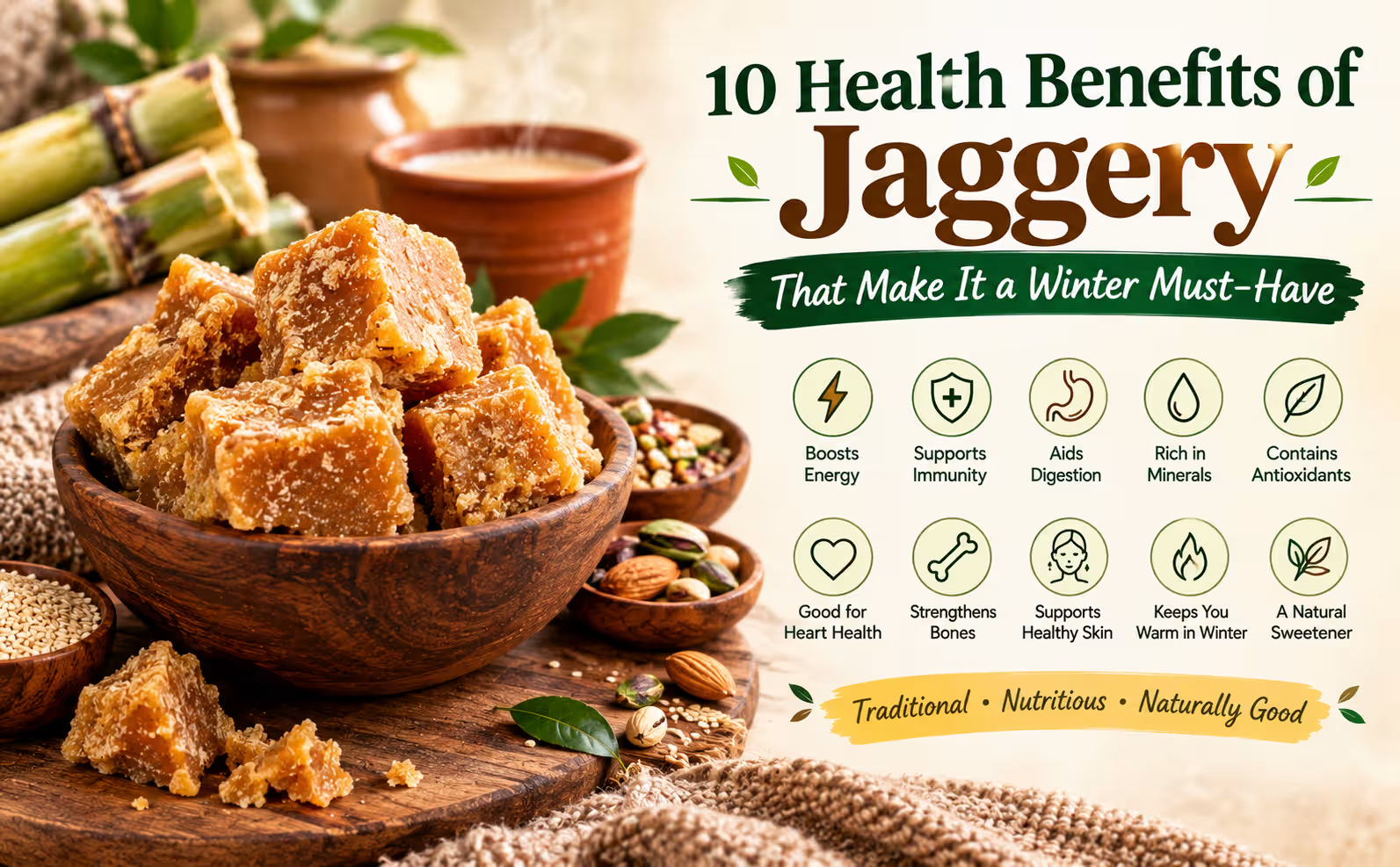
Jaggery, commonly known as gur or gud, is a traditional unrefined sweetener made from sugarcane juice or, in some regions, palm sap. It has been used in Indian kitchens for generations and is especially popular during the winter months.
Unlike refined white sugar, jaggery undergoes less processing and can retain small amounts of minerals and other compounds naturally present in the original juice. However, jaggery is still primarily a source of sugar and should be consumed in moderation.
From adding warmth and sweetness to traditional winter recipes to providing small amounts of minerals, there are several reasons why jaggery remains a popular seasonal food.
In this article, we explore 10 health benefits of jaggery, its nutritional properties, traditional uses, how to include it in your winter diet, and what to consider before eating it regularly.
What Is Jaggery?
Jaggery is a traditional sweetener produced by concentrating sugarcane juice or palm sap until it solidifies.
It is generally less refined than white sugar, which means some naturally occurring minerals and plant compounds can remain in the final product. Depending on the source and production method, jaggery can range from golden brown to dark brown.
Jaggery is commonly used in:
Gur roti
Chikki
Laddoos
Til-gur sweets
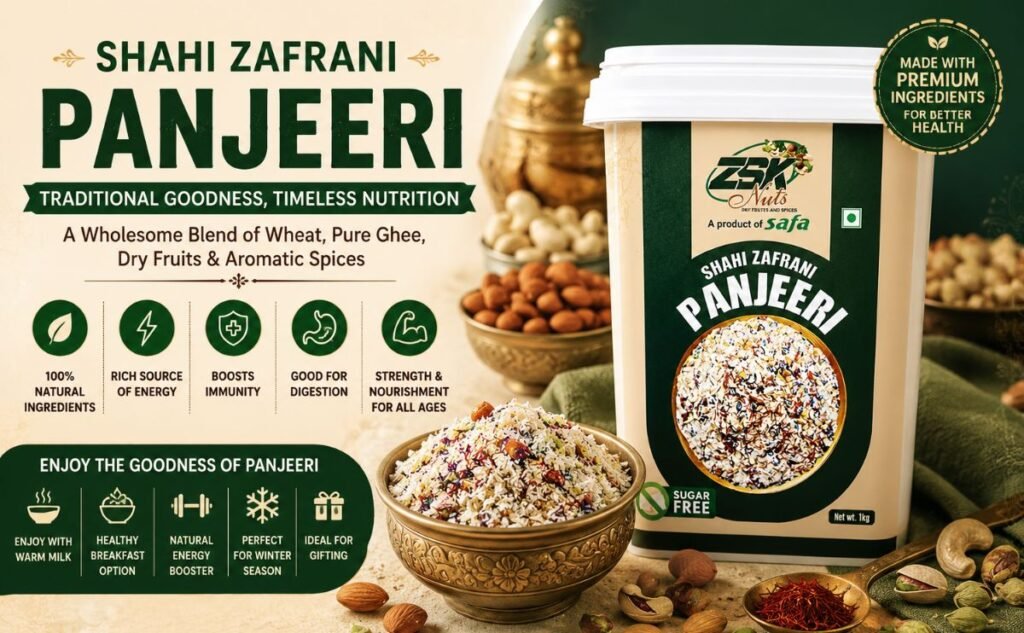
Panjiri
Kheer
Tea and traditional beverages
Winter desserts
Indian snacks
Jaggery Nutrition: What Does It Contain?
Jaggery is primarily made up of sugars, so it is an energy-dense food. It may also provide small amounts of minerals such as iron, calcium, magnesium, potassium, and phosphorus.
The exact nutritional composition varies depending on the raw material, processing method, and quality of the jaggery.
It is important to remember that the presence of minerals does not make jaggery a low-sugar food. Like other added sugars, it should be enjoyed in appropriate portions.
10 Health Benefits of Jaggery
1. Provides a Quick Source of Energy
One of the main nutritional characteristics of jaggery is its carbohydrate content.
Carbohydrates are an important source of energy for the body, and the sugars in jaggery can be rapidly used for energy.
A small amount of jaggery can therefore add energy to foods such as porridge, nuts, roasted grains, or traditional winter snacks.
However, because jaggery is calorie-dense, eating larger amounts can significantly increase daily calorie intake.
2. Contains Small Amounts of Minerals
Compared with highly refined sugar, jaggery can retain small amounts of minerals naturally present in sugarcane juice.
Depending on the product, these may include:
Iron
Calcium
Magnesium
Potassium
Phosphorus
The amounts can vary considerably, so jaggery should not be considered a major source of essential minerals. A varied diet containing vegetables, fruits, legumes, dairy or alternatives, nuts, seeds, and whole grains remains important for meeting nutritional needs.
3. Provides Iron in Small Amounts
Some varieties of jaggery contain iron, although the amount depends on the product and processing method.
Iron is an essential mineral required for the production of hemoglobin and normal oxygen transport in the body.
While jaggery may contribute a small amount of dietary iron, it should not be relied upon to prevent or treat iron-deficiency anemia. People with iron deficiency should follow advice from a healthcare professional.
4. Can Be a Less-Processed Alternative to Refined Sugar
One reason people choose jaggery is that it generally undergoes less refining than white sugar.
As a result, jaggery can retain small quantities of minerals and other compounds that are largely removed during the production of refined sugar.
However, less processed does not mean sugar-free or calorie-free. Jaggery and refined sugar both contribute significant amounts of sugar and calories.
The choice between them should therefore consider both nutrition and portion size.
5. Adds Flavor to Traditional Winter Foods
Jaggery has a distinctive caramel-like flavor that works particularly well with winter ingredients such as sesame seeds, peanuts, coconut, ginger, nuts, and spices.
It can be used to prepare traditional foods including:
Til-gur laddoos
Peanut chikki
Panjiri
Gur roti
Sesame snacks
Jaggery-based drinks
Winter desserts
Using jaggery can add flavor while reducing the need for refined white sugar in certain recipes.
6. Traditionally Used With Warming Spices
In Indian food traditions, jaggery is frequently combined with ingredients such as ginger, sesame, dry fruits, black pepper, and warming spices during winter.
These combinations are valued for their taste and traditional culinary properties.
For example, jaggery and ginger can be used in traditional drinks or sweets, while sesame and jaggery are commonly combined in winter snacks.
These traditional uses should not be interpreted as proof that jaggery itself can prevent seasonal illnesses.
7. Can Complement a Balanced Winter Diet
Winter foods often include nuts, seeds, whole grains, pulses, dairy products, and seasonal vegetables. A small amount of jaggery can complement these foods by adding sweetness and energy.
For example, you can combine:
Jaggery + sesame seeds + peanuts + nuts
to make a traditional winter snack containing carbohydrates, fats, protein, and other nutrients.
The nutritional value of the complete food depends on all its ingredients, not just the jaggery.
8. Contains Naturally Occurring Plant Compounds
Depending on the source and processing method, jaggery can retain small amounts of compounds originating from sugarcane juice or palm sap.
Darker jaggery may contain more of these compounds than highly refined sugar, but the nutritional composition of jaggery varies significantly between products.
For meaningful antioxidant and micronutrient intake, it is better to consume a variety of fruits, vegetables, nuts, seeds, and whole grains rather than relying on jaggery.
9. Can Make Nutritious Foods More Enjoyable
Healthy eating is easier to maintain when food is enjoyable.
A small amount of jaggery can add sweetness to foods such as:
Oatmeal
Millet porridge
Homemade granola
Nuts and seeds
Yogurt
Traditional cereals
Homemade energy bites
Using a modest quantity can help add flavor without making jaggery the main component of the meal.
10. A Versatile Ingredient for Winter Recipes
Jaggery is extremely versatile and can be used in both traditional and modern recipes.
Try adding a small amount to:
Warm milk
Herbal beverages
Sesame snacks
Peanut chikki
Homemade granola
Porridge
Laddoos
Halwa
Baked foods
It pairs particularly well with spices such as ginger, cinnamon, cardamom, and fennel.
Why Is Jaggery Popular in Winter?
Jaggery has a long-standing place in Indian winter food traditions.
During colder months, it is commonly combined with calorie-dense foods such as nuts, seeds, ghee, and whole grains. These combinations can provide energy and make satisfying seasonal snacks.
However, the idea that jaggery itself “creates body heat” should be understood as a traditional belief rather than a proven medical effect.
Jaggery provides calories because of its sugar content, but it should not be considered a treatment for feeling cold or for winter illnesses.
Jaggery vs White Sugar: Which Is Better?
Both jaggery and white sugar are primarily sources of sugar.
Feature
Jaggery
White Sugar
Processing
Generally less refined
Highly refined
Main component
Sugars
Sucrose
Minerals
Small amounts may remain
Very little
Flavor
Caramel-like, earthy
Neutral sweetness
Calories
High
High
Added sugar considerations
Should be limited
Should be limited
Common uses
Traditional sweets and drinks
Cooking and baking
Jaggery may provide some minerals that refined sugar does not, but this does not make it a free-from-limit sweetener.
If you are choosing between the two, consider your overall diet and how much added sugar you consume.
Is Jaggery Good for Weight Loss?
Jaggery is sometimes promoted as a natural weight-loss food, but there is no strong basis for treating it as a weight-loss ingredient.
Jaggery contains a substantial amount of sugar and calories. Eating large amounts can increase total calorie intake.
If your goal is weight management, focus on your overall eating pattern, portion sizes, protein and fiber intake, physical activity, sleep, and total calorie intake.
A small amount of jaggery can be included in a balanced diet, but replacing sugar with equal or larger amounts of jaggery does not automatically reduce calorie intake.
Is Jaggery Good for Diabetes?
People with diabetes need to be careful with jaggery because it contains significant amounts of sugar and can raise blood glucose.
The fact that jaggery is less refined than white sugar does not make it a diabetes-friendly sweetener.
If you have diabetes or are monitoring your blood glucose, speak with a doctor or registered dietitian about appropriate sweetener choices and portion sizes.
How Much Jaggery Should You Eat?
There is no single serving size that is suitable for everyone.
Your appropriate intake depends on your overall diet, energy requirements, health goals, and other sources of added sugar.
A practical approach is to treat jaggery as a sweetener rather than a health supplement.
When using it:
Keep portions modest.
Consider the total sugar in your diet.
Avoid adding large quantities to multiple meals.
Choose minimally processed foods most of the time.
Read nutrition labels on packaged jaggery products.
How to Include Jaggery in Your Winter Diet
Jaggery With Sesame Seeds
Til-gur is a classic winter combination. Sesame seeds provide protein, healthy fats, minerals, and other nutrients, while jaggery provides sweetness.
Jaggery and Peanuts
Peanut chikki combines peanuts with jaggery to create a crunchy traditional snack.
Jaggery in Porridge
A small amount of jaggery can add sweetness to oatmeal, millet porridge, or other whole-grain breakfasts.
Jaggery With Nuts
Combine a small quantity of jaggery with almonds, walnuts, pistachios, or other nuts for a satisfying snack.
Jaggery in Traditional Drinks
Jaggery can be used to sweeten certain homemade beverages and traditional recipes.
How to Choose Good-Quality Jaggery
When buying jaggery, consider the following:
Check the Ingredient List
Choose products with clear ingredient information and avoid products containing unnecessary additives when possible.
Check the Color and Texture
Jaggery naturally varies in color from golden to dark brown. Color alone is not a reliable indicator of quality.
Check the Packaging
Choose properly packaged products with clear manufacturer information and food-safety labeling.
Check the Date
Look for manufacturing, best-before, or expiry information on packaged products.
Buy From a Reliable Source
Choose products from reputable manufacturers or sellers that provide transparent ingredient and quality information.
Frequently Asked Questions About Jaggery
What are the main health benefits of jaggery?
Jaggery provides carbohydrates for energy and can contain small amounts of minerals such as iron, calcium, magnesium, and potassium. However, it is still high in sugar and should be consumed in moderation.
Is jaggery healthier than sugar?
Jaggery is less refined and can retain small amounts of minerals that are largely absent from refined sugar. However, both are concentrated sources of sugar, so neither should be consumed in excessive amounts.
Can we eat jaggery every day?
Jaggery can be included in the diet in small amounts if it fits your overall nutritional needs. Keep track of your total added sugar intake rather than treating jaggery as a health food that can be eaten without limits.
Why do people eat jaggery in winter?
Jaggery is traditionally eaten during winter in India, particularly with sesame seeds, peanuts, nuts, ginger, and other seasonal ingredients. These foods are often energy-dense and are part of traditional winter cuisine.
Does jaggery improve digestion?
Jaggery is traditionally consumed after meals in some Indian food practices. However, strong evidence that ordinary amounts of jaggery significantly improve digestion is limited.
Is jaggery good for the immune system?
Jaggery contains some minerals and plant compounds, but it should not be considered an immune-boosting treatment. A varied diet containing fruits, vegetables, adequate protein, and essential micronutrients is more important for normal immune function.
Can jaggery help with anemia?
Some jaggery contains iron, but the amount can vary and may not be sufficient to treat iron-deficiency anemia. Anyone with diagnosed anemia should seek appropriate medical evaluation and treatment.
Is jaggery suitable for children?
Small amounts of jaggery can be included in foods for children who can safely consume it, but it should still be treated as a source of added sugar. Children should primarily receive nutrients from a varied diet.
Final Thoughts
Jaggery is a traditional sweetener with an important place in Indian cuisine, particularly during winter. It provides carbohydrates for energy and may contain small amounts of minerals and naturally occurring compounds that are largely reduced during sugar refining.
However, jaggery is still a concentrated source of sugar. Its traditional reputation should not be confused with evidence that it can prevent disease, cure health problems, or provide unlimited health benefits.
The best way to enjoy jaggery is in moderation and alongside nutrient-rich foods such as nuts, seeds, whole grains, fruits, vegetables, and legumes.
Whether you’re making til-gur laddoos, peanut chikki, panjiri, or simply adding a little gur to your morning meal, portion control can help you enjoy this traditional winter favorite as part of a balanced diet.
Disclaimer: This article is intended for general educational purposes only and does not constitute medical advice. Jaggery should not be used to treat or prevent any medical condition. If you have diabetes, anemia, cardiovascular concerns, or another health condition requiring dietary management, consult a qualified healthcare professional.